 PARTY
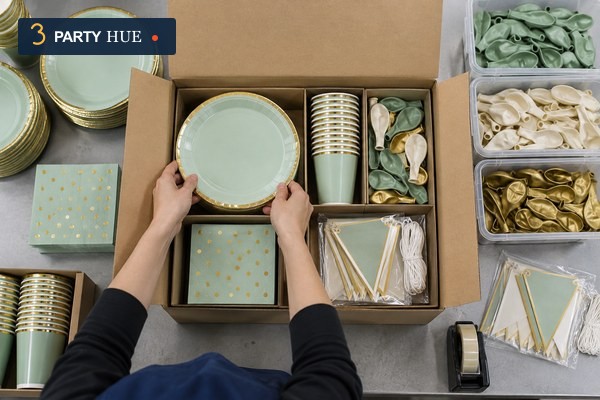
A pump can make a balloon kit practical, but only if it matches the user and the balloons. A hand pump may suit a small household pack or a portable backup, while an electric inflator may support a larger setup under its specified operating conditions. Procurement teams should evaluate compatibility, equipment scope and instructions before adding a pump to a retail collection.
Choose a manual or electric balloon pump from the balloon type, setup workload and user's access to power. Confirm nozzle compatibility and operating instructions with the actual product. Air pumps do not supply helium, and an electric inflator's electrical requirements must match the intended destination and use.
1. Define the buying decision before requesting a quote
Define the workload in practical terms: balloon mix, setup window, operator and location. Compare the user effort of the manual option with the power, controls, noise and operating constraints of the electrical model. Ask the supplier to identify exactly which product is being offered, who supplies it and what documentation is available. Do not assume a party-supplies factory manufactures every electrical accessory shown in a catalogue.
For an accurate comparison, connect the product to the commercial outcome: the sales channel, customer profile, purchase quantity, required date and the way the item will be presented. Use our party supplies product range to shortlist categories, then carry those details into one controlled buying brief.
2. Build a specification a factory can act on
Direct answer: a usable manual vs electric balloon pumps specification translates a commercial idea into controlled, inspectable details. It defines the selected item, intended application, material route, dimensions, artwork, pack configuration and release criteria so a supplier can quote the same job rather than estimate a look-alike.
Strong sourcing work makes assumptions visible. The following points give a factory enough context to identify a viable route, prepare a relevant sample and explain which variables affect cost or timing.
- Pump model, manual or electrical format, compatible balloon valves or necks and included nozzle adapters.
- For electrical models, rated input, plug format, controls, operating instructions and relevant destination documentation.
- Kit inclusion list, packaging protection, instruction language, product identifier and replacement or after-sales route.
- Sample checks for nozzle fit, controls, handling, operating method, supplied parts and performance under the manufacturer's instructions.
Separate fixed requirements from preferences
Mark what cannot change - for example, a retailer barcode position, a buyer-approved colour reference, a launch date or a pack count - and what may be optimized. This prevents a factory from spending time costing a premium process when a practical alternative would meet the same customer need. It also makes feedback faster because the project team can identify whether a proposed change affects function, appearance, margin or timing.
Keep the buyer requirements in a versioned file. If the order changes, update the file rather than relying on a message thread. This simple habit makes the sample, quotation and shipment inspection easier to compare. For a mixed party range, put the SKU reference beside the relevant artwork and pack-out details; a broad mood board alone is not a production instruction.
Air inflation and helium inflation are different purchasing jobs
A balloon inflated with air should not be shown floating as though the pump supplied helium. Make that distinction visible in the listing and the kit contents. Balloon compatibility is also product-specific: a nozzle that works with one balloon does not establish suitability for every foil valve or balloon size. Demonstrate the actual combination before using it in customer-facing material.
For an electric model, retain its instructions and review them before sample use. Confirm the destination power and plug requirements with the supplier and the appropriate qualified reviewer. Operate within the model's stated limits; do not invent a continuous-runtime claim or use a short demonstration as certification evidence. If the product route or model changes, repeat the relevant review instead of relying on a generic accessory approval.
3. Compare commercial routes, not isolated unit prices
A reliable comparison starts when every supplier is working from the same base. Ask each supplier to state the material, print route, pack count, retail packaging, carton assumption, inspection point and delivery term behind the quoted price. A quote that looks lower can be incomplete; a quote that looks higher can include a setup, packing or verification step another supplier has left outside the scope.
Four cost drivers buyers should expose
- Setup and artwork: new print screens, colours, tooling or bespoke packaging can affect feasibility before the product unit itself does.
- Material and finish: paper grade, film type, coating, component mix and decorative finish should be named rather than inferred from a reference image.
- Pack-out: the retail pack, label, insert, count-control method and outer carton shape influence both conversion cost and warehouse handling.
- Logistics readiness: carton dimensions, gross weight, shipping marks and inspection timing change the landed-cost picture even when the factory unit price is unchanged.
Use a comparison worksheet that gives each variable its own column. Procurement, product development and logistics can then review one record instead of interpreting several emails. This also creates a fair basis for negotiating: the buyer can ask what happens if the pack changes, the design count is reduced or the order moves to a different volume tier.
4. Use factory testing to reduce rework
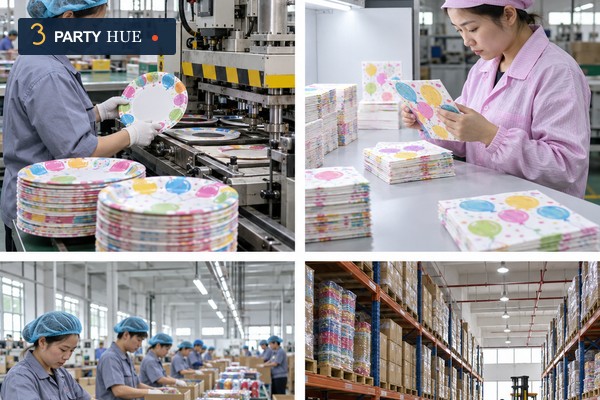
Factory testing should identify the exact pump model, supplied adapters, instructions and packaging. For electrical equipment, ask which checks and documents apply to that model and market and who is responsible for them. PartyHue's role in a mixed supply program should be explained product by product rather than implied by a broad manufacturing claim.
Turn approval into an observable process
For manual vs electric balloon pumps, the useful question is not simply whether a supplier performs quality control. Ask which checkpoint applies to the item, who owns the reference sample and what happens if a result differs from the approved brief. A photo alone is not a release decision; it should be tied to a sample, count, measurement, print reference or packing instruction that both sides can identify.
Keep the commercial and technical records connected. The quotation should describe the same pack count, material, artwork version and outer-carton assumption used for the sample. When a customer requirement changes, note the change before production continues. This creates a practical audit trail without turning a straightforward party program into unnecessary paperwork.
Ask for the evidence that matters to this product: physical sample checks, controlled artwork references, count-control steps and the shipment inspection point. A reliable answer is specific to the selected SKU, material and destination market.
Have a product reference, quantity and target market? Request a product review from PartyHue before moving to bulk production.
5. Align product, creative, procurement and logistics decisions
Complexity is rarely caused by one difficult decision. It comes from several reasonable decisions being made separately. A creative team may approve a pattern without knowing the print limitation; procurement may compare prices without the final pack structure; logistics may only see carton details after the retailer has confirmed a receiving rule. A short cross-functional review prevents these handoffs from becoming rework.
What each buyer role should confirm
Product and creative: confirm the customer-facing item, colour direction, artwork version, dimensions and the details a shopper will notice. They should also flag any feature that is a true brand requirement rather than a visual preference. Procurement: confirm the requested quantity, price basis, MOQ drivers, sample route and authority to accept a commercial alternative. This makes negotiation evidence-based rather than a request for a generic discount.
Quality: confirm what is observable on the approved sample and at inspection: material, print, measurement, count, assembly, labels, protective packing and carton condition. Describe the acceptance point clearly enough that a different colleague could perform the same review. Logistics: confirm outer-carton limits, shipping marks, labels, forwarding handover and the cargo-ready date. These details protect a product that is already correct from being delayed or damaged in the final stage.
For manual vs electric balloon pumps, use one release sheet rather than separate approval emails. The sheet can reference the master specification and list only the decisions made at that stage. This gives the buyer a concise record of who approved what, while allowing the factory to keep the physical sample, production brief and shipment inspection connected.
Product application and installation preparation
Run a representative balloon-kit setup using the supplied pump and instructions. Note user handling, nozzle changes and whether the inflation method produces the shape intended for the display. Follow balloon safety guidance and keep uninflated balloons or broken pieces away from young children.
Before approving production, prepare the product the way a customer or warehouse will experience it. Set up a decoration, inflate a balloon, assemble a kit or review a full retail pack. This application review is often where small issues in count, color, presentation or instructions become clear.
6. Illustrative buyer scenario: turning a brief into a controlled order
Illustrative scenario: an ecommerce seller wants to add an electric pump to a garland bundle. The sample review shows that the listing never specified the power version or which balloons were compatible. The buyer separates destination variants, confirms the model documentation and replaces a floating-balloon image with an air-filled installation. A manual option remains available for a different customer segment; neither format is presented as universally superior.
7. Make shipment preparation part of the product plan
Protect nozzles, controls and supplied parts in the retail pack. Verify model and destination variant on the unit, pack and carton before shipment. Keep accessory identity connected to the kit's component list so a model substitution does not enter a repeat order unnoticed.
Compare landed-cost assumptions, not only unit prices
A quotation becomes useful when it can be compared on the same basis. Check the product and pack configuration, carton dimensions, gross weight, inspection scope, delivery term and destination assumptions. An apparently lower unit price can lose its advantage if the pack is inefficient, the carton data is incomplete or a required handling step was left outside the quote.
For each order, agree the cargo-ready definition, final inspection timing and release authority before the forwarder booking becomes urgent. Our factory and quality overview explains the practical checkpoints PartyHue uses to support export-ready party supplies.
Review the first received stock
Keep each received pump variant identifiable by model and destination version, then check supplied nozzles, instructions and retail packaging against the approved inclusion list. For an electrical model, route any technical discrepancy to the responsible qualified reviewer rather than attempting an improvised repair or test. A sample demonstration should follow the manufacturer's instructions and should not exceed the stated operating conditions. For a bundled kit, inspect the pump and balloon components together so customer compatibility is not lost during consolidation. Record customer feedback by model, balloon type and application. A complaint about nozzle fit may have a different cause from a complaint about setup time or power availability. Before reordering, obtain confirmation of any model or component change and update the listing if the supplied equipment differs. Retain the model information and documents that actually cover the selected version. This makes the accessory offer easier to support and avoids treating all similar-looking pumps as interchangeable products under one broad party-kit description.
For an independent reference relevant to this decision, see the CPSC toy safety guidance. Use independent resources to frame the question, then confirm the exact requirements with the relevant market, retailer, forwarder and product documentation.
8. Create a repeatable approval and handover
Once the brief is approved, make the handover visible. A practical order folder contains the purchase order, product specification, artwork version, sample photographs or reference number, packaging layout, carton data, inspection plan and shipping instruction. The point is not to add administration for its own sake; it is to ensure the people who print, pack, inspect and release the goods use the same decision record.
Set a change-control rule before production begins. Any change to the material, size, print, component count, label, carton, destination or requested date should be assessed against the approved version. The factory can then explain whether the change is possible and what it affects. This is particularly important for party collections, where a small change to one SKU can weaken colour consistency or pack coordination across the range.
Buyer handover checklist
- Confirm the final SKU list and quantities by design, colour and pack format.
- Link each product to the final artwork, material and sample reference.
- Record carton count, gross-weight expectations, marks and destination labels.
- Agree who reviews inspection findings and who authorizes shipment release.
- Archive final records for the next reorder or any post-shipment review.
These records also improve repeat orders. Instead of beginning again with a catalogue image, the buyer and factory can start from an approved route, identify what changed in the market or collection, and isolate the decision that needs fresh sampling.
Buyer FAQ
Does an electric balloon pump fill balloons with helium?
An air inflator does not supply helium. Confirm the product type and describe the resulting display accurately.
Which pump is best for a small retail kit?
Choose based on balloon compatibility, workload, portability, user effort and the complete customer experience.
What must be specified for an electrical model?
Specify the exact model, destination power and plug version, instructions, included parts and applicable documentation route.
What information makes a manual vs electric balloon pumps quotation comparable?
Use the same product reference, material, dimensions, pack count, artwork version, carton assumption, delivery term and inspection scope for every supplier. If one supplier omits a variable, treat that quotation as incomplete rather than assuming the difference is included.
When should a buyer stop changing a manual vs electric balloon pumps specification?
Freeze the production brief after the physical sample, packaging and commercial assumptions have been approved together. Late changes are possible, but they should be assessed for material availability, setup, rework, lead time and carton impact before being accepted.
What should be retained for a repeat order?
Keep the approved sample reference, product specification, artwork file, pack-out record, carton data, inspection report and change log. These records make a repeat order easier to quote and help both parties distinguish a confirmed requirement from a new request.
Conclusion
Send PartyHue your balloon kit, customer setup needs and destination market to review the appropriate accessory sourcing route. For related sourcing questions, see the PartyHue buyer FAQ or contact our team with the product reference, quantity, destination market and launch date.
READY TO PLAN THE NEXT ORDER?